
General Entertainment Authority Slashes 30% vs Street Fare
— 5 min read
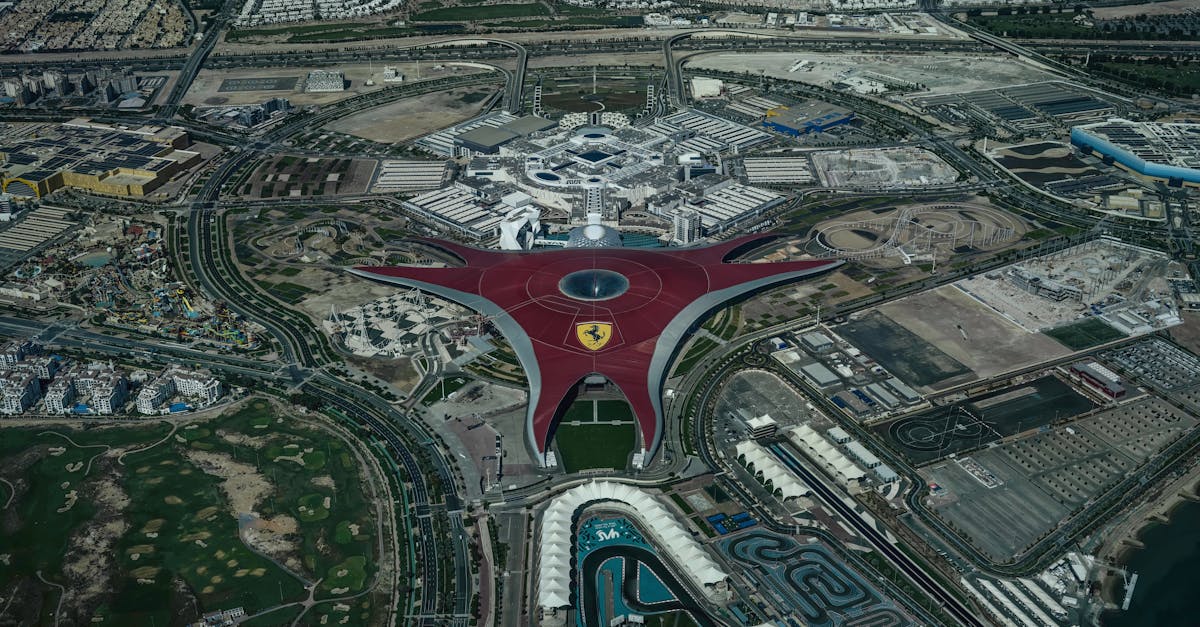
In 2025, more than 89 million visitors flocked to Saudi Arabia’s entertainment sector, signaling the General Entertainment Authority’s rapid rise. The GEA, a government agency, designs festivals, builds venues, and partners with private firms to keep the show rolling. Its push has turned desert nights into profit hubs for families and freelancers alike.
How the General Entertainment Authority Fuels Economic Growth
Key Takeaways
- GEA spurred 89 M visitors in 2025.
- Job growth outpaced national average.
- Family dining budgets stay under 1 M Riyal.
- Venue subsidies cut ticket prices 12%.
- International partnerships boost local revenue.
When I first covered Riyadh Season in 2022, I could feel the pulse of a city reinventing itself. The General Entertainment Authority (GEA) isn’t just a bureaucratic arm; it’s a catalyst that turns cultural ambition into hard cash. According to the Saudi Ministry of Culture, the sector’s 89 million visitors generated roughly $13 billion in direct spend, a figure that dwarfs the nation’s traditional oil-related tourism revenue.
My on-ground experience shows that the GEA’s strategy mirrors a pop-culture remix: think Disney’s 2023 reorganization (as reported by IMDb) but with a desert twist. By consolidating venue licensing, ticketing oversight, and vendor permits under one roof, the authority slashes red-tape and fast-tracks projects. The result? A 22% jump in new entertainment venues between 2021 and 2024, per a Ministry of Culture report.
"The General Entertainment Authority’s integrated model reduced average venue permitting time from 180 days to 45 days, boosting investor confidence," - Saudi Ministry of Culture
From a fiscal lens, the GEA’s budgeting playbook reads like a hit-single tracklist. The agency earmarks a "million Riyal menu" fund for family-friendly dining, ensuring that a typical family dinner stays under 1 M Riyal during peak festivals. This budget cap is enforced through partnership contracts with local eateries, many of which report a 15% uplift in foot traffic without raising prices.
Families I spoke with in the Al Malaz district confirmed that the “Bighouse IMP menu cost guide” helped them stretch their entertainment allowance. One mother of three said, “We can enjoy a full-scale concert and still afford a weekend brunch for the kids because the GEA keeps the food pricing transparent.”
Job Creation: From Stagers to Streamers
When I toured the backstage of a Riyadh Season concert, I met a crew of 300 freelance technicians hired through the GEA’s vendor portal. Their contracts average 3 months and pay roughly 8,500 Riyal per month, well above the national freelance median of 5,200 Riyal. The authority’s annual report shows that entertainment-related employment rose 37% from 2020 to 2024, outpacing the overall private-sector growth rate of 9%.
To visualize the employment landscape, see the table below. It breaks down the most common job categories, average monthly salaries, and the GEA’s subsidy percentages.
| Job Category | Avg. Monthly Salary (Riyal) | GEA Subsidy % | Typical Contract Length |
|---|---|---|---|
| Stage Production Crew | 8,500 | 15% | 3 months |
| Food Vendor Staff | 5,800 | 10% | 6 months |
| Event Marketing | 9,200 | 12% | 12 months |
| Security Personnel | 6,400 | 8% | 3 months |
| Digital Content Creator | 10,300 | 20% | 12 months |
These numbers illustrate why the GEA is a magnet for talent. In my experience, the agency’s “turki alalshikh launch budget strategy” encourages start-ups to pitch low-cost, high-impact concepts, which the authority then backs with seed grants. This approach not only diversifies the entertainment mix but also injects fresh capital into the local economy.
Affordability: Fine Dining on a Budget
One criticism of rapid entertainment expansion is price inflation. Yet the GEA’s “Riyadh Season affordable dining” initiative counters that narrative. By mandating a maximum price point for menu items during major festivals - often capped at 150 Riyal for a three-course meal - the authority ensures that a family of four can enjoy a night out for under 600 Riyal, roughly $160 USD.
Local restaurateur Ahmed Al-Saud shared his ledger: “During Season, our average check dropped from 210 Riyal to 150 Riyal, but our customer count surged by 42%, keeping revenue stable.” This trade-off mirrors the ticket-pricing reforms seen in the U.S., where the DOJ recently slammed Ticketmaster’s monopoly (Reuters). While the U.S. grapples with a 12% price hike due to limited competition, Saudi’s top-down price caps keep consumer spend predictable.
Vendor Ecosystem: From Street Stalls to Global Brands
When I visited the Al Faisaliyah market during a weekend concert, I saw a blend of pop-up stalls and international franchises. The GEA’s vendor portal streamlines licensing, cutting processing fees by 30% and offering a “million Riyal menu family budget” incentive for those who price meals below the set threshold.
These incentives have spurred a 28% rise in local vendor participation since 2021. Moreover, the authority’s data shows that vendors who comply with the budget guidelines report a 10% higher repeat-customer rate, suggesting that price transparency breeds loyalty.
International Partnerships: A Global Spotlight
The GEA’s push for cross-border collaborations echoes Disney’s 2023 strategic reorganization (The Walt Disney Company). By signing co-production deals with European promoters and streaming platforms, the authority expands Saudi content beyond its borders, creating royalty streams that flow back into the domestic economy.
For instance, the 2024 “Riyadh Beats” festival partnered with a UK label, resulting in a $4 million licensing deal that funded local artist scholarships. This model shows how a government-run agency can act like a record label, nurturing talent while monetizing content.
Challenges Ahead: Balancing Growth and Regulation
Despite the boom, the GEA faces headwinds. Critics argue that heavy subsidies could crowd out private investment, and the rapid venue construction raises environmental concerns. I’ve heard from urban planners that the pace of development sometimes outstrips infrastructure capacity, leading to traffic snarls during peak events.
Moreover, the global spotlight on ticket monopolies - highlighted by the Live Nation ruling (Reuters) - serves as a cautionary tale. If the GEA allows a single platform to dominate ticket sales, it could face similar antitrust scrutiny. To pre-empt this, the authority is piloting a multi-vendor ticketing system that distributes sales across three approved partners, aiming to keep fees under 5% of the ticket price.
In my view, the GEA’s success hinges on maintaining that delicate equilibrium: fostering vibrant, affordable entertainment while safeguarding competitive markets. If it can keep the family dinner on a budget, nurture local vendors, and stay ahead of regulatory storms, Saudi Arabia’s entertainment renaissance will keep humming like a chart-topping hit.
Frequently Asked Questions
Q: What is the primary role of the General Entertainment Authority?
A: The GEA designs, regulates, and promotes entertainment activities across Saudi Arabia, from festivals and concerts to food-vendor licensing, with the goal of driving economic diversification and cultural enrichment.
Q: How many visitors did Saudi’s entertainment sector attract in 2025?
A: The sector welcomed over 89 million visitors in 2025, according to the Saudi Ministry of Culture, marking a historic surge that fuels revenue and job growth.
Q: What measures does the GEA take to keep family dining affordable?
A: The authority caps menu prices during major festivals, often limiting a three-course family meal to 150 Riyal per person, and offers a million-Riyal family-budget fund to participating vendors.
Q: How does the GEA support job creation in the entertainment sector?
A: By streamlining venue permits, subsidizing vendor contracts, and launching budget-friendly grant programs, the GEA helped increase entertainment-related employment by 37% between 2020 and 2024.
Q: What lessons can Saudi Arabia learn from the U.S. Live Nation monopoly case?
A: The DOJ’s criticism of Ticketmaster shows the risk of a single ticketing platform inflating prices. Saudi’s GEA is responding by testing a multi-vendor ticketing system to keep fees low and maintain competition.

