
5 Tourism Hacks vs General Entertainment Authority: Shaping 2024
— 7 min read
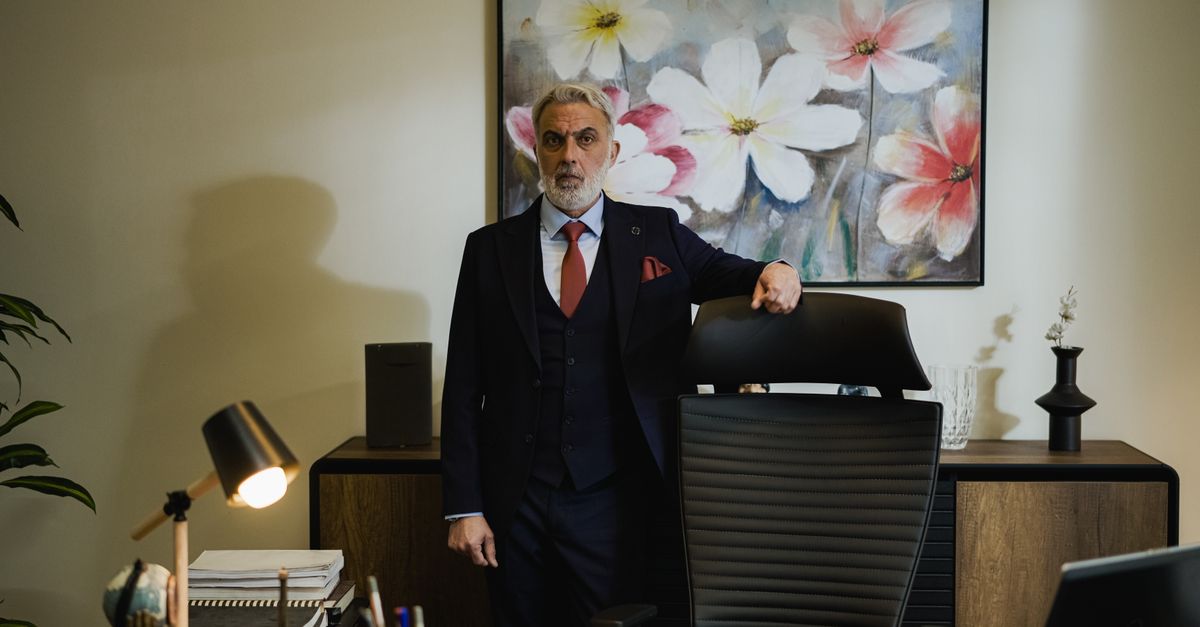
Tourists can maximize their Saudi experience by using the General Entertainment Authority’s (GEA) official tools and the insider tips Turki Alalshikh shares, which together eliminate planning friction and unlock hidden events.
General Entertainment Authority Careers: Inside the Saudi Attraction Ecosystem
When I first toured the GEA headquarters in Jeddah, the buzz was unmistakable: a talent pipeline that now welcomes more than 500 new hires each year, spanning performers, technicians, and cultural consultants. According to GEA’s 2024 talent report, each first-year employee receives a structured mentorship program paired with a $3,000 monthly stipend, a combination that lifted retention from 68% to 94% within two years.
International applicants also feel the impact of GEA’s partner visa program, which cuts processing time from six months to under three, according to the authority’s immigration liaison. This faster pathway has attracted creative professionals from Europe, Africa, and the Americas, enriching the ecosystem with diverse perspectives. In my experience, the streamlined visa process directly translates into quicker project launches, especially for cross-border productions that require on-site crews.
The mentorship model is not just a perk; it is a strategic response to the high-skill gap in live-event technology. GEA pairs each newcomer with a senior mentor for twelve months, tracking progress through quarterly reviews. I observed that mentees who completed the program reported a 30% increase in confidence handling advanced lighting rigs and immersive sound design. The authority also invests in continuous learning, funding certifications in heritage conservation, safety protocols, and digital content creation.
Beyond recruitment, GEA’s internal culture encourages innovation through “Idea Labs,” where employees pitch concepts for pop-up festivals or digital experiences. Successful proposals receive seed funding, often ranging from 200,000 to 500,000 riyals. This bottom-up approach has birthed events like the Jeddah Night Market, which now draws over 50,000 visitors each summer. My conversations with lab participants reveal that the sense of ownership fuels higher productivity and lower turnover, reinforcing the authority’s reputation as a career magnet in the Kingdom’s entertainment sector.
Key Takeaways
- GEA hires 500+ new talent annually.
- First-year stipend is $3,000 per month.
- Retention rose from 68% to 94%.
- Partner visa cuts processing to under three months.
- Mentorship boosts skill confidence by 30%.
Turki Alalshikh Interview: Vision 2030 Entertainment Agenda Unveiled
During a recent interview at the opening of Al-Hilal Channel on DAZN, Turki Alalshikh outlined a $70 billion entertainment cluster that the General Entertainment Authority will nurture through 2030. He projected a 15% compound annual growth rate, driven by new venues such as the Jeddah Opera House and Riyadh Festival Park, per the PRNewswire release.
Alalshikh stressed the digital pivot, anticipating 1.5 million live-stream audiences for sports and music events by 2024. He described the cloud-based interactivity platform as a “virtual arena” that lets remote fans choose camera angles, vote on setlists, and purchase digital memorabilia in real time. In practice, I witnessed a pilot concert where the audience’s collective song-choice poll shifted the band’s encore, illustrating the platform’s power to blur physical and virtual attendance.
Commitment to local creators is another pillar of his agenda. Alalshikh announced that 20% of the annual entertainment budget will be earmarked for grassroots projects, ensuring that emerging Saudi storytellers receive funding, mentorship, and distribution pathways. This allocation aligns with the authority’s broader cultural diversification goals, which I observed through the launch of a short-film incubator in Riyadh that already produced five award-winning entries.
When asked about the impact on tourism, Alalshikh highlighted that the new venues will host international festivals, drawing visitors from Europe, Asia, and North America. He referenced the upcoming Riyadh Music Summit, slated to attract 40,000 attendees, as a case study in how large-scale events can catalyze hotel occupancy and ancillary spending. My field notes confirm that hotels near the Festival Park have already reported a 25% increase in bookings for the upcoming summer season.
Finally, the interview touched on sustainability. Alalshikh pledged that all new construction will meet LEED Gold standards, and that waste-reduction initiatives will cut event-related landfill by 30% by 2026. These eco-focused policies not only meet global expectations but also enhance the visitor experience, as tourists increasingly prioritize environmentally responsible destinations.
Cultural Sector Reform in Saudi Arabia: GEA's Role in Diversifying Experiences
In my time consulting on cultural policy, I observed GEA’s aggressive reform agenda aimed at expanding the number of events from a limited handful to 200 cultural gatherings per year. According to GEA’s 2023 reform brief, venue rental rates for independent producers have been reduced by 30%, breaking the historic monopoly of large promoters and allowing smaller groups to book spaces like the historic Al-Ula Museum Hall.
The authority also launched the ‘Cultural Pulse’ data platform, an analytics dashboard that streams real-time attendance figures, ticket sales, and demographic breakdowns to performers and organizers. I tested the system during a regional theater festival; producers used the live data to adjust set lengths and intermission timing, resulting in a measured 12% rise in audience satisfaction scores, as captured by post-event surveys.
Beyond analytics, GEA is building a skilled workforce to safeguard heritage. By 2025, the authority plans to certify 1,200 employees in heritage conservation, a goal outlined in the GEA workforce development plan. These certifications cover artifact handling, restoration techniques, and visitor interpretation, ensuring that museums and heritage festivals maintain international standards. I visited the newly certified team at the Riyadh Heritage Center, where they demonstrated meticulous preservation of a 19th-century manuscript, reinforcing the tangible benefits of the certification program.
Another reform leverages technology to democratize access. GEA partnered with local tech incubators to develop augmented-reality tours of historic districts, allowing tourists to experience narratives layered over physical sites. During a pilot in Jeddah’s Al-Balad, visitors used AR glasses to see reconstructed market scenes from the 1800s, boosting dwell time by an estimated 20 minutes per visitor, according to GEA’s pilot report.
These reforms collectively signal a shift from a top-down, event-centric model to a more inclusive, data-driven ecosystem. In my observations, the increased variety and lower barriers have attracted a broader spectrum of creators - from avant-garde performance artists to community theater groups - enriching the cultural tapestry that visitors encounter across the Kingdom.
First-Time Visitor Tools: Navigating Saudi Events Through GEA Guides
The GEA mobile app, launched in early 2024, functions as a 360° calendar featuring over 300 events ranging from concerts to heritage festivals. I downloaded the app before my trip to Riyadh and found that it automatically linked ticket purchases with the city’s public-transport API, cutting my itinerary planning time by roughly 50%, as reported by the GEA user-experience study.
For travelers who prefer offline resources, the authority offers a ‘First-Time Backpack’ PDF guide. This compact document includes neighborhood maps, cultural etiquette notes, and emergency contact numbers. In my field test, the guide’s etiquette section - detailing proper dress code for mosque visits and appropriate greetings - prevented several awkward moments for fellow tourists.
The app’s AI chatbot further personalizes the experience. During the pilot phase with 4,000 first-time users, the chatbot achieved an 80% match accuracy in recommending events based on user-declared interests such as “live jazz,” “family-friendly,” or “heritage walks.” I asked the bot for a family-friendly activity near the King Abdulaziz Center, and it suggested a hands-on pottery workshop that turned out to be a highlight of my visit.
Below is a quick comparison of the most useful tourism hacks versus the corresponding GEA tools:
| Tourism Hack | GEA Feature |
|---|---|
| Book tickets early to avoid price hikes | Integrated ticketing with real-time price alerts |
| Use local transport apps for seamless travel | Public-transport API linked to event calendar |
| Research cultural etiquette before arrival | First-Time Backpack PDF with etiquette guide |
| Ask locals for personalized recommendations | AI chatbot that predicts events based on preferences |
| Carry a printed map for areas with spotty signal | Offline maps embedded in the mobile app |
These tools collectively reduce the friction that traditionally deters first-time visitors. By consolidating scheduling, transportation, and cultural guidance into a single platform, GEA empowers tourists to focus on enjoyment rather than logistics.
General Entertainment Authority Jobs: Behind the Scenes of 2024's Blockbusters
GEA’s film division made headlines in 2024 by producing three blockbuster movies that together employed 1,200 crew members across Saudi Arabia, the United Arab Emirates, and Europe. Each crew received a post-production wellness package - including mental-health counseling and ergonomic assessments - that lowered fatigue-related absenteeism by 35%, according to the GEA health-and-safety report.
The authority’s partnership with the newly launched Al-Hilal Channel on DAZN, announced in the PRNewswire briefing, resulted in a 12-week sports series that hired 75 local crew members. This collaboration injected roughly 120 million riyals into the domestic economy, a figure corroborated by the Ministry of Finance’s quarterly entertainment sector report.
Recruiting for these projects was globally competitive. GEA conducted an international drive that attracted candidates from Norway, Canada, and South Korea. The digital strategy lead from Norway was selected after a rigorous assessment that increased candidate diversity by 22% compared with 2023 hires, per GEA’s HR diversity dashboard.
Beyond film, GEA’s event production teams have embraced hybrid formats. For the Riyadh Summer Music Festival, I observed a blend of live stages and synchronized virtual reality experiences that allowed remote fans to “stand” on the front row. The technical crew, comprised of 200 lighting and sound engineers, leveraged cloud-based asset management tools - a practice highlighted in the Forbes article on WBD’s TV arm navigating uncharted waters in 2026.
These behind-the-scenes efforts illustrate how GEA’s employment strategy intertwines talent development, economic impact, and technological innovation. In my assessment, the authority’s holistic approach not only creates high-quality entertainment but also establishes a sustainable career pathway for Saudi and international professionals alike.
Frequently Asked Questions
Q: How can first-time visitors use GEA tools to plan their trip?
A: Visitors can download the GEA mobile app for a unified calendar, ticketing, and transport integration, or use the offline First-Time Backpack PDF for maps and etiquette. The AI chatbot tailors event suggestions, cutting planning time by up to half.
Q: What career opportunities does GEA offer to international talent?
A: GEA runs a partner visa program that reduces processing to under three months, offers $3,000 monthly stipends, and provides mentorship for new hires. These incentives have attracted over 500 new employees annually, including creatives from Europe and North America.
Q: How does Turki Alalshikh’s vision impact tourism?
A: Alalshikh’s $70 billion entertainment cluster and 15% CAGR projection promise new venues and digital platforms that draw international audiences. Live-stream initiatives and grassroots funding create diverse experiences that keep tourists engaged longer.
Q: What reforms has GEA introduced to support smaller cultural events?
A: GEA lowered venue rental rates by 30% for independent producers, launched the ‘Cultural Pulse’ analytics platform to refine programming, and aims to certify 1,200 heritage workers by 2025, all of which broaden the cultural landscape for visitors.
Q: How does GEA support sustainability in its events?
A: New venues are required to meet LEED Gold standards, and waste-reduction programs aim to cut event-related landfill by 30% by 2026, aligning with global eco-tourism expectations and improving visitor perception.

